KOH CHANG, DID YOU KNOW?
The History of Koh Chang, From Untouched Island to Tropical Haven

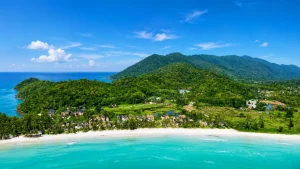
Koh Chang, Thailand’s second-largest island, is a place of stunning natural beauty and rich history. Known for its lush rainforests, pristine beaches, and laid-back atmosphere, Koh Chang has undergone a fascinating transformation over the centuries. From a remote, uninhabited jungle island to a strategic naval battleground and, finally, a sought-after travel destination, Koh Chang’s history is as intriguing as its landscapes.
Early History and the Island’s Name
The name “Koh Chang” translates to “Elephant Island” in Thai, derived from the island’s distinctive shape, which is said to resemble an elephant’s head. However, despite its name, there are no wild elephants native to Koh Chang. Unlike many parts of Thailand, Koh Chang was largely uninhabited for much of its early history due to its dense jungles and mountainous terrain.
Before the 20th century, the island was occasionally visited by fishermen, traders, and pirates navigating the Gulf of Thailand. Its remote location and rugged interior made it a less favorable place for permanent settlement compared to other coastal areas.
Naval Battle of Koh Chang (1941)
One of the most significant events in Koh Chang’s history occurred during World War II. On January 17, 1941, Koh Chang became the site of a major naval battle between the Thai and French naval forces. At the time, Thailand and French Indochina were engaged in a territorial conflict, and the battle took place just off the island’s coast.
The French Navy launched an attack on the Royal Thai Navy, resulting in the loss of three Thai ships. The battle was part of the Franco-Thai War, which ended shortly after with a ceasefire brokered by Japan. Today, remnants of this historic event remain, and a memorial near Laem Ngop on the mainland honors those who lost their lives in the battle.
Settlement and Development
Although Koh Chang was sparsely populated for much of its history, small fishing communities eventually began to settle along its shores. By the mid-20th century, families from the mainland moved to the island, establishing coconut and rubber plantations. Fishing and farming remained the primary means of livelihood for local residents.
It wasn’t until the late 20th century that Koh Chang began to develop as a tourist destination. In the 1980s, backpackers and adventurous travelers started arriving, drawn by the island’s untouched beauty and remote appeal. With improved ferry services and infrastructure in the 1990s, Koh Chang gradually transformed into a more accessible destination for both domestic and international visitors.


A Balance of Nature and Tourism
In 1982, much of Koh Chang and its surrounding waters were designated as part of Mu Ko Chang National Park. This status helped preserve the island’s lush forests, waterfalls, and marine biodiversity. Despite increasing tourism, Koh Chang has managed to retain its natural charm and remains less developed compared to islands like Phuket or Samui.
Today, Koh Chang is a blend of traditional Thai island life and modern tourism. While areas like White Sand Beach and Lonely Beach cater to travelers with resorts, restaurants, and nightlife, other parts of the island remain quiet and undeveloped. Local fishing villages, such as Bang Bao, still reflect the island’s maritime heritage, offering visitors a glimpse into Koh Chang’s traditional way of life.
Koh Chang’s journey from an uninhabited jungle island to a key naval battleground and then to a thriving tourist destination showcases its resilience and adaptability. While tourism has brought significant changes, efforts to preserve its natural environment and cultural heritage ensure that Koh Chang remains one of Thailand’s most enchanting island escapes. Whether visiting for its history, adventure, or relaxation, Koh Chang continues to captivate those who set foot on its shores.